
When people talk about pipes and piping systems, terms like process piping and plumbing are sometimes used interchangeably. However, although both involve transporting fluids through pipes, they serve very different purposes and follow different standards. Understanding the difference is important whether you work in industrial settings, facility management, or are simply curious about how piping systems differ.
In this blog, we’ll explore what process piping is, how it differs from traditional plumbing, and why that difference matters.
What Is Process Piping?
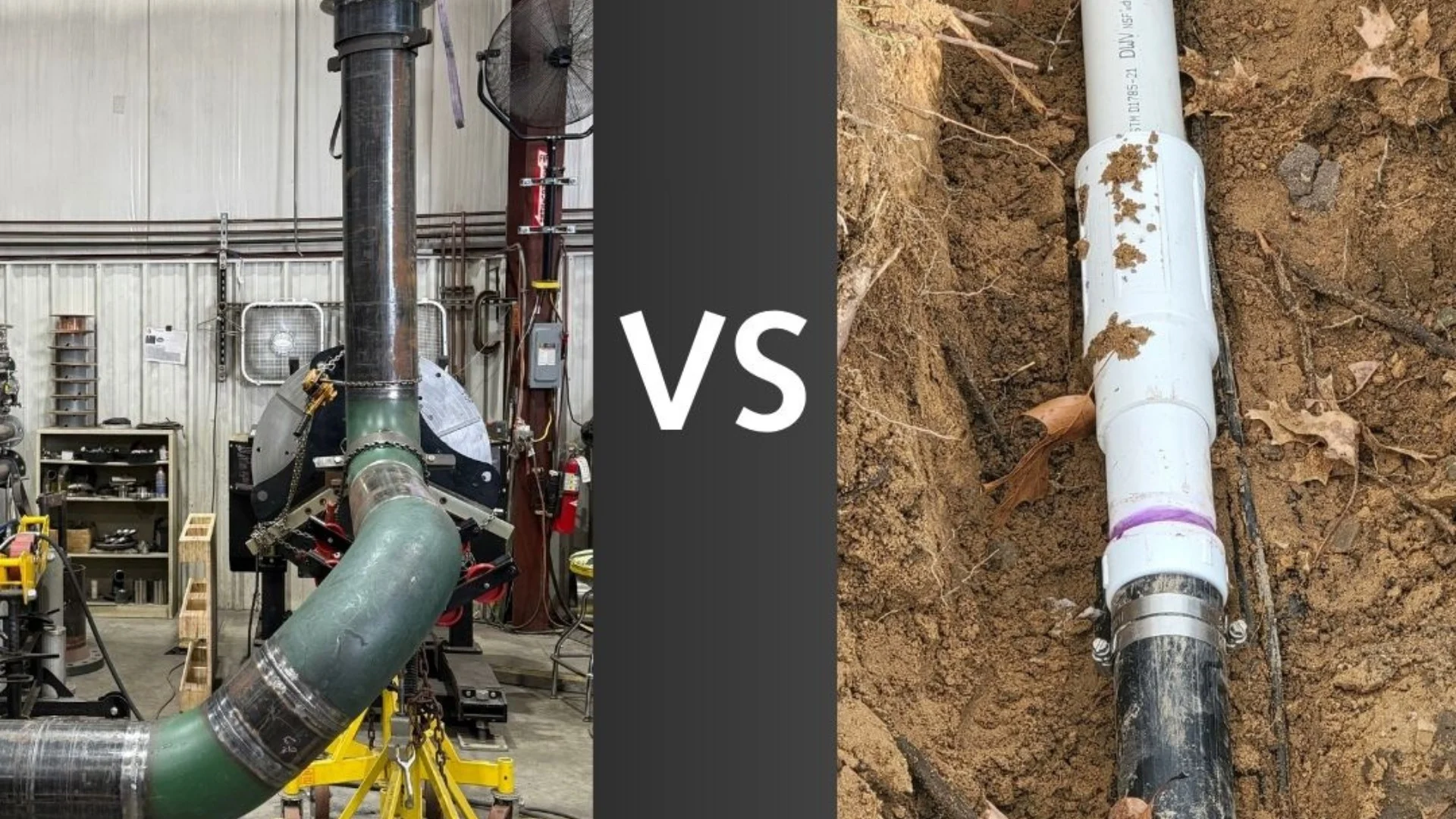
Process piping refers to the network of pipes used in industrial settings to transport chemicals, gases, steam, water, or other materials involved in manufacturing and production. These systems are often part of larger operations such as chemical plants, refineries, food processing facilities, power plants, and pharmaceutical plants. The main goal of process piping is to move substances in a controlled, efficient manner while maintaining safety and compliance with strict industry standards.
Unlike other piping systems, process piping must handle varying pressures, temperatures, and, at times, hazardous materials. Because of this, its design, materials, welding, testing, and installation must meet rigorous codes and engineering specifications. Common materials used in process piping include stainless steel, carbon steel, alloys, and specialized plastics.
What Is Plumbing?
Plumbing, on the other hand, refers to the system of pipes, fixtures, and fittings used in residential, commercial, and institutional buildings to distribute water and remove waste. This includes everything from the water lines that bring fresh water into kitchens and bathrooms to the drain lines that remove wastewater.
Plumbing systems are typically governed by building codes that focus on public health and sanitation. They must ensure that the water supply is safe to drink, that waste is removed effectively, and that systems function reliably for everyday use. Most plumbing systems operate at lower pressures and temperatures than industrial piping.
Common plumbing materials include copper, PVC, PEX, and cast iron. The focus is on durability, affordability, and compliance with local building regulations.
Key Differences Between Process Piping and Plumbing
Although both systems involve transporting fluids, the differences between process piping and plumbing are significant.
1. Purpose and Environment
Process piping is designed for industrial and manufacturing applications where fluids may be corrosive, toxic, or under high pressure. Plumbing is designed to distribute potable water and remove waste in buildings.
2. Regulatory Requirements
Process piping must comply with industry standards such as ASME B31 codes, which govern the design, fabrication, and testing of piping systems under various conditions. Plumbing follows building and health codes that ensure a safe water supply and waste removal.
3. Materials and Construction
Process piping typically uses heavy-duty materials such as carbon steel or alloys selected for strength and chemical resistance. Plumbing materials are selected for safety, cost-effectiveness, and suitability for potable water systems.
4. Design Complexity
Process piping systems tend to be more complex, often requiring engineering drawings, stress analysis, and specialized installation procedures. Plumbing systems are simpler and focus on routine water distribution and drainage.
Why These Differences Matter
Understanding the difference between process piping and plumbing is important for many reasons:
- Safety: Industrial piping often handles hazardous materials. Using the wrong type of system could result in dangerous leaks or failures.
- Compliance: Regulations for industrial piping are more stringent. Compliance ensures legal operation and protects workers.
- Longevity: Process piping systems are engineered for durability under extreme conditions, while plumbing is engineered for everyday water use.
- Cost: Process piping materials and labor tend to be more expensive due to the specialized nature of the work.
Although process piping and plumbing might both involve pipes, they are not the same. Process piping is an industrial system designed to transport materials safely and efficiently under demanding conditions. Plumbing focuses on water supply and waste removal in buildings. Each system serves a unique purpose and is built to meet its specific requirements.
Understanding the difference can help you make better decisions when planning projects, maintaining systems, or communicating with engineers and contractors. Whether you are overseeing an industrial facility or managing a commercial property, understanding the distinction between these two types of piping systems lays the foundation for safer, more effective operations.
When it comes to industrial piping, precision matters. From design and fabrication to installation and compliance, we deliver process piping systems engineered to perform. Contact us today to schedule a consultation and move your project forward with confidence.